
Sunlight on Demand
Who Decides When the Sun Shines?

Imagine if we could have sunlight on demand from space. It’s entirely possible!
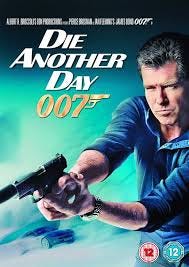
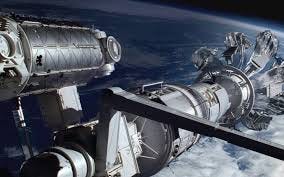
Die Another Day a 2002 James Bond movie starring Pierce Brosnan featured a space mirror partially powered by conflict diamonds. It was advertised as a way of shining light on the earth to speed the growing of crops. The icarus satellite’s real mission was to cut a path through the Korean Demilitarized Zone with concentrated sunlight, allowing North Korean troops to invade South Korea and unite the peninsula. Here’s an Icarus satellite video clip.
Below is a recent New York Times Article
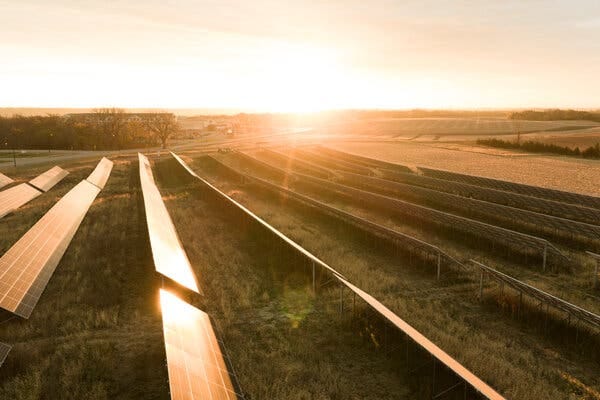
A Big Night Light in the Sky? Start-Up Wants to Launch a Space Mirror.
The company is seeking F.C.C. approval to test an idea to reflect sunlight to Earth at night, possibly powering solar panels. Critics say it could be bad for people and wildlife.
“A start-up company wants to light up the night with 50,000 big mirrors orbiting Earth, bouncing sunlight to the night side of the planet to power solar farms after sunset, provide lighting for rescue workers and illuminate city streets, among other things.”
“Scientists have questions about that.”
“It is an idea seemingly out of a sci-fi movie, but the company, Reflect Orbital of Hawthorne, Calif., could soon receive permission to launch its first prototype satellite with a 60-foot-wide mirror. The company has applied to the Federal Communications Commission, which issues the licenses needed to deploy satellites.”
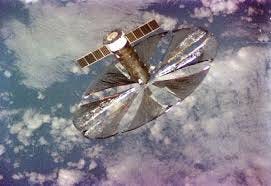
Here’s the website from Reflected Orbital the company in the article.
Here’s an NBC news clip on Reflected Orbital. Startup wants to launch mirrors up into space to light up the dark side of Earth - YouTube
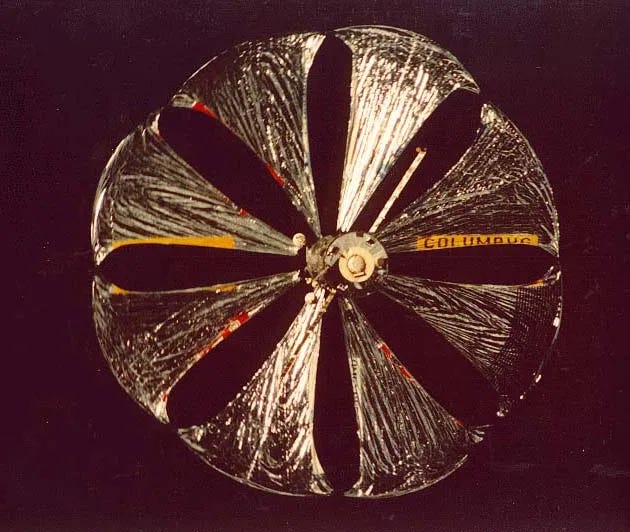
Space mirrors are not a new idea. In 1993, the 65-foot-diameter satellite, called Znamya, briefly lit the Earth like a giant orbiting night light. Here’s an article from the Smithsonian Magazine How a Russian Space Mirror Briefly Lit Up the Night
Like all new technology, having sunlight on demand has downsides. Light Pollution, disrupting the natural environment, and impacts on circadian rhythms are all negative impacts. The organization Dark Sky doesn’t support space mirrors and artificial sunlight on demand. The world already has too many places where true darkness really exists.
Do the advantages of sunlight on demand outway the natural impacts?
How would locations control the actions of companies like Reflected Orbital who working from space?
Who should control artificial sunlight from space?
Please leave a comment.
If you enjoyed this newsletter, please click on “LIKE” below or Restack with a note.
My new novel, Electromagnetic Assault, is available for purchase in all three formats:
Print book
ebook
Audiobook
You can order now from Amazon.
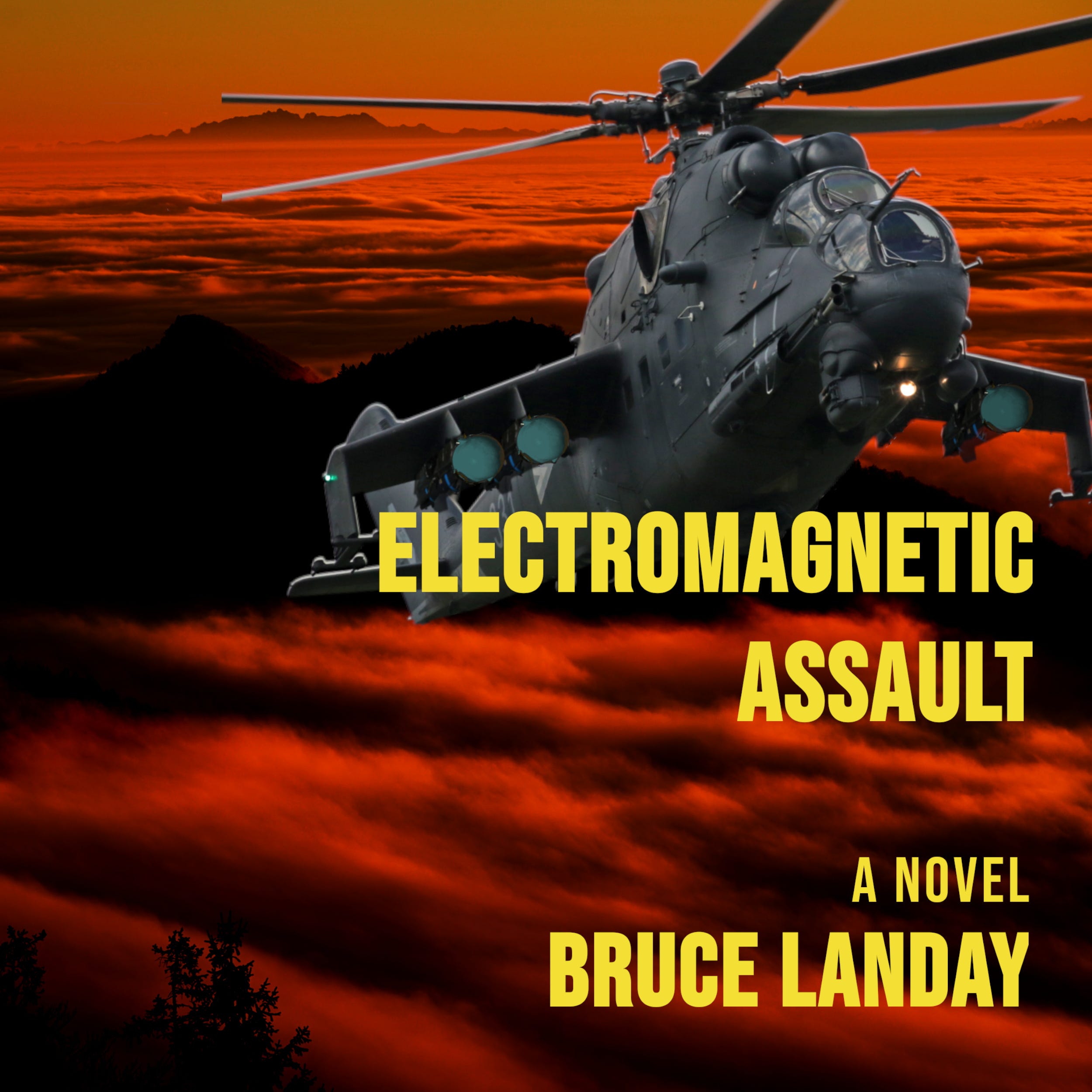
April 9th Midwest Writers Room Chapter Breaks Podcast Episode on YouTube.
Proof of concept! https://www.bbc.com/future/article/20170314-the-town-that-built-a-mirror-to-catch-the-sun
OMG, just no. Don’t do it. The world does not need artificial sunlight. I can barely get through Daylight Saving Time changes. Just because we can doesn’t mean we should. Sheesh.