
The Remote-Controlled Human
How Connected Implants Blur the Line Between Autonomy and Automation

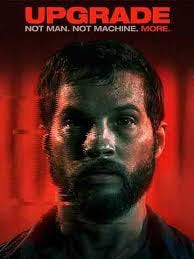
Upgrade is a 2018 cyberpunk action horror film. Set in 2046 It follows a technophobe, Grey Trace, who is implanted with a STEM chip that allows him to control his body after a mugging left him paralyzed. The chip speaks to Grey and tells him it can help him seek revenge. It winds up taking over his body and his life. Here’s the movie trailer.


The Signal is a 2014 science fiction thriller movie. The story centers on three MIT students, Jonah, Nick, and Haley, on a road trip to california. During their stay in a hotel, Nic and Jonah discover that a hacker named NOMAD (who nearly got Jonah and Nic expelled for breaking into MIT servers), has found their location and is taunting them with strange and ominous emails. NOMAD also hacks one of their laptops and activates their camera feed remotely. Nic and Jonah are livid and immediately start tracking NOMAD. The group eventually winds up at a secret military installation and Nic wakes up with his arms and legs replaced by alien technology. Here’s the movie trailer.



About Braingate
“Our research team includes leading neurologists, neuroscientists, engineers, computer scientists, neurosurgeons, mathematicians, and other researchers – all focused on developing brain-computer interface (BCI) technologies to restore the communication, mobility, and independence of people with neurologic disease, injury, or limb loss. Our research is focused not only on improving the ability to operate a computer, but also on providing people with ALS, spinal cord injury, and stroke with reliable, constant control over their environment.”
Braingate is affiliated with several universities along with the U.S. Department of Veterans Affairs.
Here’s an incredible video demonstrating what’s possible today and where this technology is going.


Remote control of implants is personal for me. In December of 2024 I had open heart surgery to replace one of my heart valves followed by having a pacemaker implanted. I have a phone app that communicates with my pacemaker and every three months the app sends a full report to my doctors. Once a year I meet with an electrophysiologist, a special type of cardiologist who deals with the heart’s electrical system and they make sure the pacemaker is working fine. In the office they can connect wirelessly to my pacemaker and change settings. They can’t do this remotely and I’m OK with that. As a techno-thriller author I can imagine all sorts of nefarious scenarios for that capability.
Does remote control of implanted body devices excite you?
Can you imagine a scenario where you’d want this capability for yourself?
When would remote control of your body scare you?
Please leave a comment.
If you enjoyed this newsletter, please click on “LIKE” below or Restack with a note.
My upcoming novel, Electromagnetic Assault, is now on sale!
Print Book and E-book is available now on Amazon and Bookshop.org
Audiobook is coming soon!
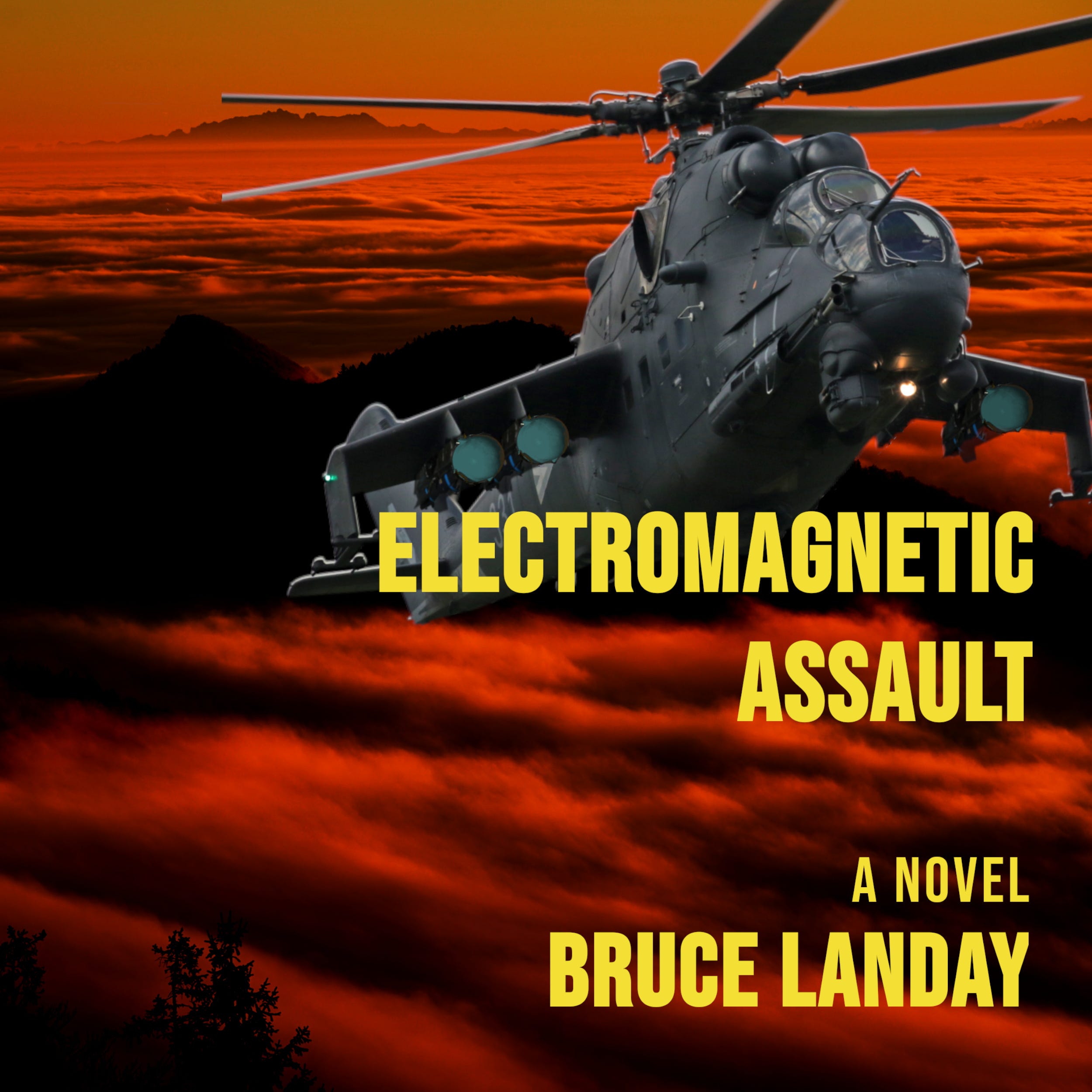
On Saturday, April 18th at 2:00 PM I’ll present an author talk and book signing at the Fitchburg, WI public library.
On May 1st I’ll be a speaker at the Lakefly Writers Conference and Book Fair in Oshkosh, Wisconsin. For writers my conference session is why new writers should start a Substack Email Newsletter prior to publication. For readers I’ll be selling my new book, Electromagnetic Assault at the Book Fair on May 2nd.
Good post, Bruce.
This also made me think of the novel “Lock In” by John Scalzi
Umm, yes. Let’s leave any remote control of the implanted body devices out of our lives. I agree that it is better that your pacemaker settings cannot be remotely changed. While I’m in favor of implanted devices to help body parts function better. I’m not in favor of remote control.